

Gaming companies today face a curious contradiction. The same digital transformation that’s driving unprecedented growth and operational flexibility has also created their most dangerous vulnerability. While executives celebrate record revenues and streamlined operations, cybercriminals quietly exploit the foundation that makes modern gaming possible: digital identities.
The Silent War Nobody Talks About
While security teams are busy analyzing SIEM alerts, managing endpoint detection systems, and manually reviewing security logs, the real battle happens inside their own networks. Research shows three out of four successful cyberattacks start with compromised employee credentials. That’s not a technical glitch or software vulnerability. That’s someone using legitimate login information to wreak havoc from the inside.
Think about your typical workday. Marketing executives check customer data from hotel rooms in Vegas. Floor supervisors access scheduling systems from their kitchen tables at home. Compliance officers review audit reports while sitting in airport lounges. Each of these completely normal activities creates opportunities for attackers who understand that the easiest way into any system isn’t breaking down the front door. It’s walking in with the keys.
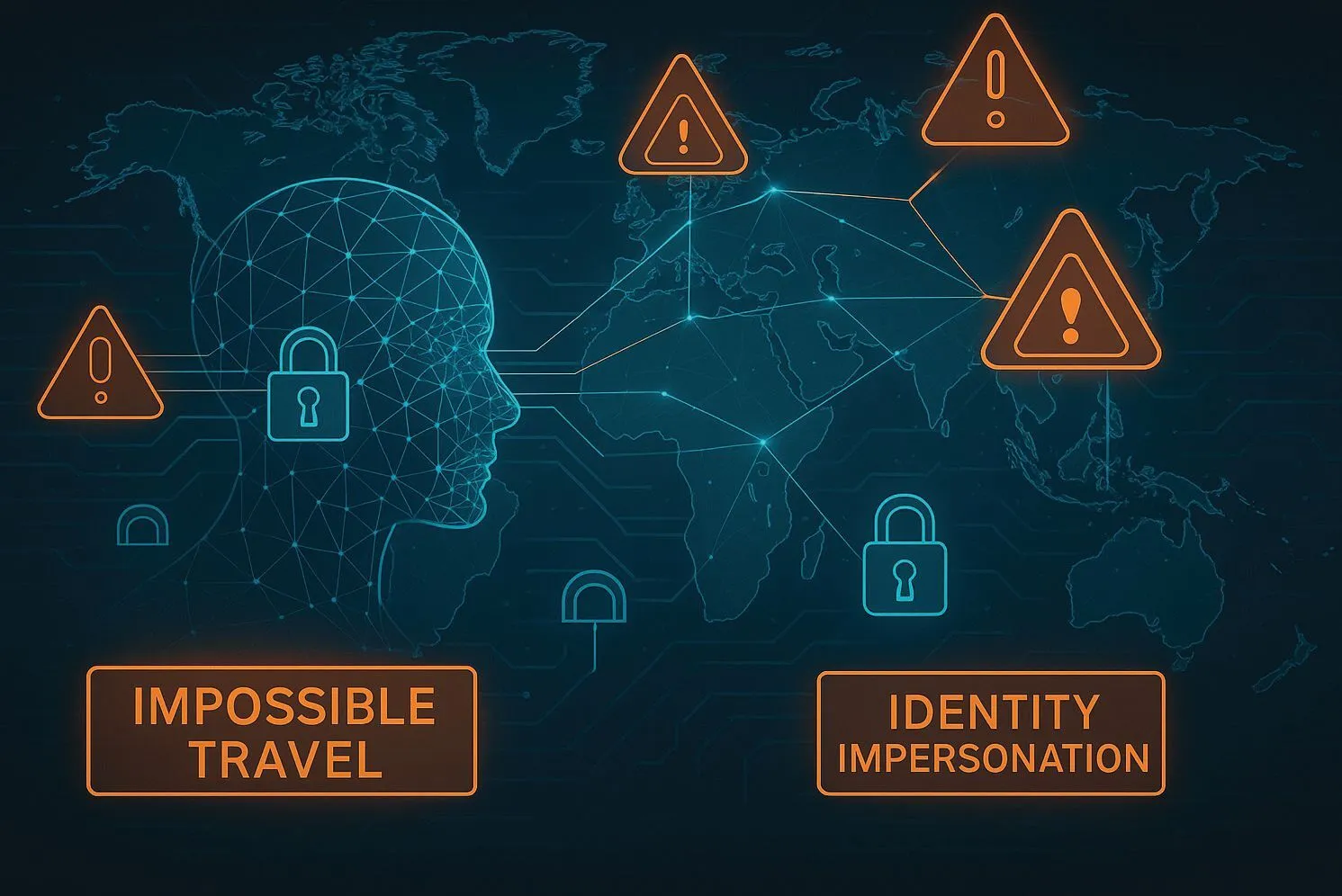
The problem gets worse when you consider how sophisticated these attacks have become. We’re not talking about password guessing anymore. Modern cybercriminals use artificial intelligence to study employee behavior patterns and then mimic them perfectly. They might compromise a floor manager’s credentials and use them to access player analytics systems from Amsterdam just one hour after that same manager logged in from Atlantic City. Most security systems would log both events without connecting the obvious impossibility.
READ THE FULL ARTICLE BY MANJIT GOMBRA SINGH IN THE FALL 2025 EDITION OF GAMING & LEISURE MAGAZINE.